Game Data Pros is a leading consultancy and analytics firm specializing in the digital entertainment and games industries. Comprised of a team of seasoned experts with decades of combined experience, Game Data Pros leverages deep industry knowledge and cutting-edge data analytics to build tools that help game developers and digital entertainment publishers optimize their revenue strategies.
The team includes former executives and data scientists from top gaming companies, bringing a wealth of practical experience and innovative thinking to every project. Our expertise spans game design, user acquisition, monetization, and advanced data analytics. Adding to our credibility and expertise, the leadership team at Game Data Pros includes the founders of Scientific Revenue, a pioneer in the field of dynamic pricing for mobile games. This background provides a unique perspective and deep understanding of the intricacies involved in monetizing mobile games and related digital experiences.
What sets Game Data Pros apart is a holistic approach to revenue optimization. We understand that successful monetization strategies require an integration of data insights, audience behavior analysis, and market trends. By employing rigorous data-driven methods and industry-focused tools, Game Data Pros helps clients achieve sustainable growth and maximize lifetime value across their customer base.
In this article, we’ll examine the origins of revenue optimization in other industries, such as airlines and hospitality, where dynamic pricing and customer segmentation have revolutionized business models. By understanding how these strategies were developed, adapted, and applied successfully, we can uncover valuable insights for the digital entertainment and gaming industries. From the early days of fixed pricing models to the sophisticated, data-driven techniques used today, we’ll explore how lessons from other sectors can enhance the monetization of digital entertainment.
In future articles, we will explore the unique revenue optimization obstacles faced by the video gaming industry through a detailed examination of console game publishing and look at the period from 2010–2020 in mobile games and the gradual movement toward revenue optimization systems that solved some of these unique revenue optimization problems. By the end of this series of articles, you will understand how revenue optimization strategies can maximize your game’s profitability while maintaining customer satisfaction in the current digital entertainment market.

The Revenue Optimization Problems Faced by Airlines
Imagine boarding a flight where every seat is perfectly priced, maximizing the airline’s revenue while ensuring a full cabin. This precise dance of supply and demand isn’t a new Airline Simulation game, it’s the cornerstone of revenue optimization, a practice that has long been perfected by airlines and hotels. Yet, when it comes to mobile games, the industry is still searching for its version of this high-flying success. Despite the proven strategies in other sectors, mobile games lack an equivalent practice to harness their revenue potential fully. It’s time for game publishers to buckle up and take a page from the playbooks of airlines and hotels, navigating the skies of revenue optimization to reach new heights.
Revenue optimization — also known as revenue management or yield management in the wider industry — is the practice of using data analytics, customer segmentation, and other data science-based techniques to maximize the revenue generated through the pricing and distribution of products or services.
Consider this generalized example of a pricing decision: there are a finite number of seats on an airplane flying the Denver to Phoenix route. The simplest process for deciding the price for each seat might be as follows:
- Calculate the complete cost of flying the route.
- Add some profit margin.
- Divide this total value by the number of seats on the plane to get the price per seat and sell all the seats at that price.
This approach gains points for simplicity and fairness, but it often fails to generate optimal revenue for the flight. Here are a few scenarios that demonstrate the complexity of optimization:
The flight fails to sell out. In this case, the carrier is left with unsold seats that each generate zero revenue, while the cost of operating the flight is not substantially reduced. If they fail to sell enough seats, the flight will operate at a loss instead of a profit. Further, unsold seats can’t be saved for later, so not only has the carrier failed to generate revenue from those seats for that flight, but it has failed to generate that revenue forever.
The flight sells out weeks before the flight leaves. Obviously, the demand was high for this flight, and the carrier could have probably raised the price of each seat and made additional profit on the flight. Since they did not, and since adding another route is probably not possible on short notice, the carrier missed out on the additional potential revenue from each seat and missed out on selling tickets to any customers who wished to buy a flight to Pheonix from the time the flight booked up until the time the flight leaves.
A party of 20 wants to book seats but requests a discount for group booking four weeks in advance. Under a rigid pricing policy and fixed number of seats, it would be tempting to say “no” as the discount will reduce the profit margin on the overall flight, even if the rest of the flight fills up. But if the flight does not fill up….
For a business as complicated as an airline, there are hundreds (if not thousands) of scenarios like the ones above that you might imagine would come up across multiple flights, cities, locales, events, and all the other covariates that potentially impact the carrier’s business. So many, in fact, that the exceptions aren’t exceptions at all — in a global sense — they become the norm. Once you begin to consider these opportunities, an improved system for pricing seats based on availability and booking trends presents itself strongly. At least it did to BOAC’s Ken Littlewood and American Airlines’ Robert Crandall….
Littlewood and Crandall kicked off revenue optimization as a science backed by academic study, industry vertical expertise, and useful tooling with a history of more than 50 years. With hindsight, we can look back and see how revenue optimization was invented starting in the early 70s. We can trace the innovation from BOAC’s Ken Littlewood experimenting with different prices for seats based on user characteristics in the 70s to American Airlines’ Robert Crandall pioneering with Ultimate Super Saver fares in the 80s, to Bill Marriott Jr. building on those insights to establish a formal practice and automated revenue optimization systems for hotels.
Airlines Pioneer New Routes for Revenue Optimization
Since the 1990s, airlines have pioneered numerous revenue optimization techniques that have since become industry standards, fundamentally transforming how they generate and maximize revenue. Airline loyalty programs and frequent flyer miles played a critical role in revenue optimization. These programs incentivize repeat business by rewarding customers with points that can be redeemed for future flights, upgrades, or other perks. The introduction of tiered membership levels further enhances customer retention by offering exclusive benefits to the most loyal customers. This strategy fosters customer loyalty and provides airlines with valuable data on customer preferences and behaviors, enabling more personalized marketing and targeted promotions.
Another significant development in airline revenue optimization has been the unbundling of services. Traditionally, airline tickets included services such as checked baggage, seat selection, and in-flight meals at one comprehensive price. Airlines began to unbundle these services, allowing customers to pay for only what they need. This à la carte pricing model creates additional revenue streams and also caters to a broader range of customer preferences and budgets.
Additionally, airlines have expanded their offerings by selling ancillary products such as hotel bookings, car rentals, and travel insurance in conjunction with flight reservations. Through these innovative strategies, airlines have demonstrated the effectiveness of revenue optimization techniques, providing a valuable blueprint for other industries.
A Hotel Room is just an Overnight Flight that Doesn’t Go Anywhere
Like airlines, the hotel industry has been a trailblazer in revenue optimization, applying many of the same principles to maximize occupancy and profitability. At the core of hotel revenue optimization is dynamic pricing. Hotels adjust room rates based on factors such as booking lead time, seasonality, local events, and overall demand. By constantly monitoring these variables and employing advanced forecasting tools, hotels optimize room rates to ensure high occupancy while maximizing revenue per available room (RevPAR).
Loyalty programs in the hotel industry, similar to airline frequent flyer programs, play a pivotal role in driving repeat business and enhancing customer retention. Hotels offer points or rewards for each stay, and tiered membership levels provide additional incentives for frequent guests, such as late check-outs, complimentary breakfasts, and priority booking. Like airline frequent flier memberships, these hotel loyalty programs encourage repeat visits and gather valuable data on guest preferences and spending habits, which can be used to tailor marketing efforts and improve the guest experience.
The unbundling strategy pioneered by airlines has been effectively employed by hotels, too. Many hotels have adopted an à la carte approach similar to those used by airlines, allowing guests to customize their stay by selecting and paying only for the services they desire. At the same time, they expand their revenue streams by offering bundled packages, such as room and spa treatments, dining experiences, or local tours, enhancing the overall value proposition for guests.

Fly-and-Stay: Collaboration Between Airlines and Hotels
The collaboration between airlines and hotels is a prime example of how complementary industries can synergize to enhance customer experience and drive revenue growth. This partnership is rooted in the mutual benefits that both industries derive from offering bundled services and creating seamless travel experiences for customers. By combining their strengths, airlines and hotels can offer attractive travel packages that include flights, accommodations, and even additional services like car rentals or local experiences.
One of the most visible forms of collaboration is the creation of travel packages that combine airfare with hotel stays. These packages often come with significant discounts compared to booking flights and hotels separately, making them appealing to travelers looking for convenience and cost savings. This bundling strategy increases the perceived value for customers and helps both airlines and hotels fill seats and rooms that might otherwise remain unsold.
Combined loyalty programs are another area where airlines and hotels frequently collaborate. Frequent flyer programs are often linked with hotel loyalty programs, allowing members to earn and redeem points across both platforms. This integration provides a more comprehensive and rewarding loyalty experience, encouraging customers to stay within the ecosystem of partnered airlines and hotels. For instance, a traveler might earn hotel points for their flight and airline miles for their stay, and either can be used for future travel-related expenses… within the combined airline-hotel loyalty network.
By leveraging each other’s customer databases and marketing channels, both industries can reach a broader audience and attract new customers. Promotional campaigns that highlight exclusive deals, such as “fly-and-stay” packages or limited-time offers for loyalty members, can drive increased bookings and cross-brand sales based on a deeper knowledge of customer needs and preferences.
A Rental Car is Just an Airplane that Never Leaves the Ground
The rental car industry, much like airlines and hotels, has adeptly employed revenue optimization strategies to maximize utilization and profitability. The strategies very closely follow — and are often connected with — those employed by airlines and hotels.
Dynamic pricing, where rental car companies adjust rates based on a variety of factors, including demand, location, seasonality, and booking lead time, and loyalty programs are another cornerstone of revenue optimization in the rental car industry. Rewards program points can be redeemed for free rental days, upgrades, and other perks. These programs, again, incentivize repeat business and, as with other travel and hospitality businesses, help car rental companies gather valuable data on customer preferences and behavior. This data can be used to tailor marketing efforts and provide personalized offers, further enhancing customer loyalty and driving revenue.
Unbundling is also prevalent in the rental car industry. Basic rental fees typically cover only the vehicle itself, while additional services such as GPS navigation, child seats, insurance, and roadside assistance are offered as optional add-ons. This à la carte pricing model allows customers to customize their rental experience based on their specific needs and budget while generating additional revenue streams for the rental companies.
Moreover, rental car companies often collaborate with airlines and hotels to offer bundled travel packages. These partnerships can include discounts on car rentals when booked in conjunction with a flight or hotel stay, providing added value and convenience for travelers. Such collaborations not only enhance the customer experience but also help rental car companies tap into the customer bases of their partners, driving increased bookings and brand loyalty.
What Do These All Have in Common?
The same application of revenue optimization strategies applies to other industries. For example, a cruise ship is just a very slow airplane. Cruise lines use dynamic pricing, loyalty programs, and unbundling of services to maximize revenue and enhance the passenger experience. By understanding and adapting these proven techniques, businesses across various sectors can optimize their revenue streams and achieve sustained profitability.
Despite their varied natures, airlines, hotels, rental car companies, and cruise ships share several key characteristics that make revenue optimization strategies particularly effective.
Infrequent Purchases and Not a Lot of Loyalty: Unlike everyday consumer goods, services like flights, hotel stays, and car rentals are purchased infrequently by most customers. This sporadic purchase behavior means that building and maintaining customer loyalty is challenging. Robust loyalty programs and personalized marketing efforts encourage repeat business.
Expiring Inventory: One of the most critical aspects these industries share is perishable inventory. An empty airline seat, an unbooked room, or an idle rental car represents lost revenue that cannot be recovered. This creates a strong impetus for service providers to optimize pricing and occupancy rates continuously, ensuring that as much inventory as possible is sold before it expires.
Large Fixed Costs for the Service Provider: Operating an airline, hotel, or rental car company involves significant fixed costs such as aircraft purchases and maintenance, property leases, and fleet management. These high fixed costs mean that maximizing the utilization of available resources is essential for achieving profitability. Revenue management strategies, therefore, focus heavily on covering these fixed costs and ensuring sustainable financial health.
Opportunity for Ancillary Revenue: Beyond the core service offering, there are numerous opportunities for generating additional revenue through ancillary services. Airlines charge for checked baggage, seat selection, and in-flight meals; hotels offer room service, spa treatments, and event hosting; rental car companies provide GPS navigation, insurance, and roadside assistance. These ancillary services not only enhance the customer experience but also contribute significantly to the overall revenue.
Robust Opportunities for Market Segmentation: The diverse customer base in these industries presents ample opportunities for market segmentation. By understanding the varying needs and preferences of different customer segments — such as business travelers, leisure tourists, budget-conscious customers, and luxury seekers — service providers can tailor their offerings and pricing strategies to better meet specific demands, thereby optimizing revenue.
Price Competition: The competitive nature of these industries often revolves around price. The products are largely undifferentiated. Customers frequently compare prices across different airlines, hotels, and rental car companies, making price a critical factor in their purchasing decisions. Effective revenue optimization must, therefore, balance competitive pricing with profitability, ensuring that prices attract customers while still covering costs and generating profit.
Understanding these commonalities underscores why revenue optimization techniques are so essential and effective in these industries. By employing dynamic pricing, loyalty programs, unbundling, and strategic partnerships, service providers can navigate the challenges of infrequent purchases, expiring inventory, high fixed costs, and intense price competition to maximize their revenue potential.
Digital Commerce Creates the “Perfect World” for Revenue Optimization
Even during the first steps of formalized revenue management efforts, the potential benefits were obvious. Although the data was sparse and the analytical tools primitive by current standards, successful revenue optimization programs changed the business landscape — American Airlines’ Ultimate Super Saver fares upended the airline industry when they were introduced in 1985.
The advent of widespread digital commerce brought about significant transformations to revenue management tools and practices. The internet and mobile devices, improved analytical tools, and big data all unlocked opportunities and advancements, enhancing the ability to optimize revenue across industries.
The consumer-facing side of e-commerce made it possible to change the user experience dynamically and even show an entirely personalized experience for each customer. With web-based apps in particular — including web-view mobile apps — everything is configurable on the fly, everything is changeable, and everything is done anew each time you load a page.
This on-the-fly personalization capability has an advantage: it enables using remote configuration to perform experiments that guide further optimization. When combined with the scientific principles and techniques of experimentation (like A/B testing), this dynamic e-commerce experience allowed vendors to become more confident that their changes were beneficial to the business.
E-commerce also ushered in a new era of unprecedented access to real-time consumer data. Digital commerce enabled real-time data collection on bookings, cancellations, repeat purchases, and other customer behaviors. This allowed for more accurate and timely demand forecasting in the airline and hospitality industries. In addition, web analytics provided insights into customer search patterns, preferences, and shopping behavior.
The ability to process data at scale across multiple sources — including loyalty programs, CRM systems, social media, and purchase history — provided a more comprehensive understanding of market trends and customer preferences. Advanced pricing and inventory management systems enabled personalized pricing strategies, offering different products or prices to different customer segments based on their purchase history and other behaviors.
Enhanced CRM systems facilitated better customer segmentation, allowing for tailored communication, including personalized email marketing, targeted ads, and customized offers based on customer data. Loyalty programs became more sophisticated, offering personalized rewards and incentives.
All of these incremental improvements enabled by evolving e-commerce platforms provided increased agility and flexibility for companies across the economy. Real-time data and advanced analytics enable quicker response to market changes, such as sudden shifts in demand, new product rollouts, and competitor actions. Mobile e-commerce platforms provided new opportunities to interact with consumers, providing convenience to customers, capturing more detailed data about customer preferences and behaviors, and offering additional opportunities for engaging customers through push notifications and in-app offers.
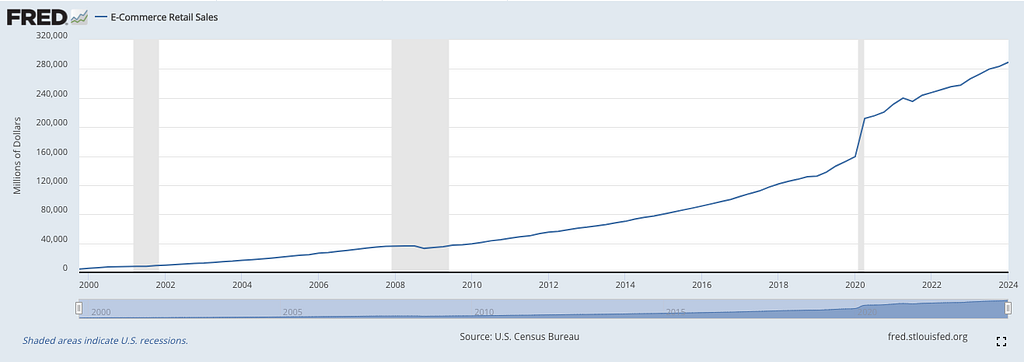
These tools and techniques are table stakes in many major industries today, and their successful application is often the source of a competitive edge. For context, the US airline industry reported revenues of over $236 billion, and worldwide airlines reported a record $964 billion in revenue for 2023.
However, a formal revenue optimization practice is only now evolving in the digital entertainment industry.
Games 2024 and Beyond: Live Service Games Require Revenue Optimization
Games are a BIG BUSINESS that generated almost $200 Billion in 2023. That’s more than half of the total revenue generated by the United States Airline industry during the same period. The success demonstrated in other industries and in games before Apple killed the IDFA tells us there is a clear need — and opportunity — to establish an overall practice of revenue optimization in the gaming and digital entertainment industries that doesn’t exist today. It doesn’t exist in gaming, but it should exist. Like airlines, hotels, fast food, rental cars, and other big businesses, a formal practice of revenue optimization for digital entertainment is a logical and inevitable trend.
This is the core of Game Data Pros. Stay tuned for the next blog in this series…